

Development Through Education
The Personal and Professional Development of Young People Through Education
Young people are one of the most important resources of any society. Their ability to learn, adapt, and actively contribute to their community directly influences a country’s economic, social, and cultural development. In this context, education plays a fundamental role in shaping the competences, values, and attitudes needed for personal and professional success.
Today, education goes far beyond transmitting information and accumulating theoretical knowledge. It is a complex process of individual development that helps shape character, critical thinking, responsibility, and the ability to face the challenges of a constantly changing world. Through education, young people gain the tools they need to build their own life path and to actively participate in the development of society.
Education – The Foundation of Personal Development
Personal development is the process through which a person discovers and makes the most of their potential, develops their abilities, and builds the confidence needed to achieve their goals. For young people, this stage is essential, as it coincides with the period in which they define their identity, values, and aspirations.
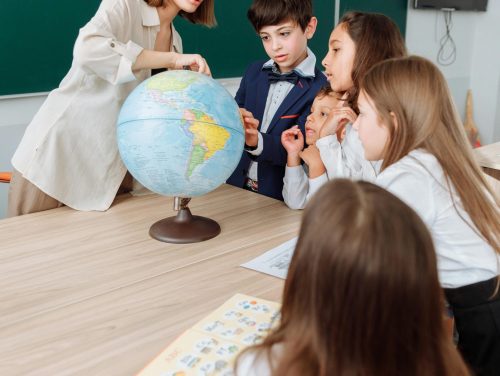
Education contributes to personal development by stimulating curiosity, creativity, and a desire for continuous learning. In educational settings, young people have the opportunity to explore diverse fields, understand different perspectives, and learn to express their ideas in a well-reasoned and respectful way.
The educational process also helps them develop essential competences such as: effective communication, critical and analytical thinking, problem-solving, collaboration and teamwork, time management, adaptability, and resilience.
These competences are valuable not only in the professional environment but also in everyday life, contributing to the formation of responsible and engaged adults.
The Role of Education in Professional Development
Beyond its impact on personal development, education plays a decisive role in preparing young people for the labor market. In a knowledge- and innovation-based economy, professional competences are an essential element for successful integration and career success.
Education gives young people access to specialized knowledge and learning experiences that help them understand the requirements of different fields of activity. Through courses, internships, projects, and extracurricular activities, they develop the competences needed to meet professional challenges.
In addition, education contributes to career guidance and the identification of development opportunities. Young people who benefit from educational support and career counseling have a greater chance of choosing a professional path compatible with their skills and interests.
The Importance of Transversal Skills
In recent years, employers have been paying increasing attention to transversal skills, also known as soft skills. These complement technical training and significantly influence professional performance.
Modern education has the responsibility to develop competences such as: leadership, interpersonal communication, emotional intelligence, conflict management, entrepreneurial spirit, decision-making ability, and intercultural collaboration.
These skills help young people adapt more easily to diverse professional environments and respond effectively to the demands of a constantly evolving labor market.
Non-Formal Education and Practical Experience
Youth development does not happen exclusively within educational institutions. Non-formal education plays an important role in complementing the educational process and developing practical skills. Participation in European projects, volunteering activities, youth exchanges, educational camps, workshops, and training programs offers valuable opportunities for experiential learning. By getting involved in such activities, young people develop autonomy, responsibility, and the ability to work in diverse teams. In addition, international experiences contribute to the development of language, intercultural, and digital skills, which are increasingly valued in the labor market. Non-formal education complements formal education and creates real contexts in which young people can apply what they have learned, turning theory into practice.
Developing Digital Competences
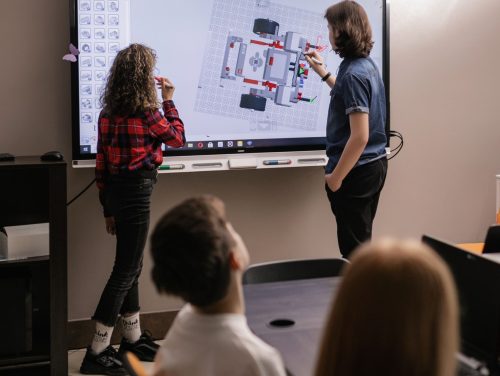
Digital transformation affects every field of activity, and digital competences have become essential for professional development. Education plays a crucial role in preparing young people to use modern technologies effectively and responsibly.
Digital competences are not limited to using a computer or the internet. They include: searching for and evaluating information, using digital collaboration tools, cybersecurity, creating digital content, using AI-based applications, and adapting to new technologies.
Young people who develop these competences are better prepared for the current and future demands of the labor market.
Education and Entrepreneurial Spirit
Another important aspect of professional development is entrepreneurial education. It helps young people understand how organizations work, how an idea is developed, and how it can be turned into a project or a sustainable business. Entrepreneurial education contributes to developing initiative, creativity, and the ability to identify opportunities. Even for those who do not intend to become entrepreneurs, these competences are valuable because they encourage proactivity and a solution-oriented mindset. In a dynamic economy, the ability to innovate and generate value is an important advantage for any professional.
Current Challenges in Education
While education offers numerous opportunities, there are also challenges that need to be addressed. Rapid technological progress, economic changes, and the transformation of the labor market require continuous adaptation of education systems.
There is a need to develop programs that better respond to the real needs of young people and employers, as well as to promote lifelong learning. At the same time, collaboration between educational institutions, organizations, companies, and communities can help create more relevant and practical educational experiences.
Conclusion
The personal and professional development of young people through education is one of the most important investments for the future. Education offers not only knowledge but also competences, values, and experiences that help shape individuals capable of adapting, innovating, and actively participating in community life.
By combining formal, non-formal, and informal education, young people can develop their potential and build a solid professional path. In a world characterized by change and complexity, success will belong to those who continue to learn, develop, and turn challenges into opportunities for growth.
Investing in the education of young people is, in essence, an investment in building a more prosperous, more innovative, and better-prepared society for the future.