

AI and Digitalisation
We live in an increasingly digital world, and access to technology in Romania is high — the issue is no longer access, but how we use these tools. From our direct experience working with young people and with people in the community, as well as from realities confirmed by recent studies, we see a worrying gap: Romania is among the EU countries with the highest share of young people who believe they have the digital skills needed to spot disinformation, even though it is also the EU country with the highest share of young people with low digital skills overall. In other words, many young people believe they can recognize a fake news story, but in practice their critical thinking remains underdeveloped. In this context, artificial intelligence has become both a support for almost any activity and a source of fear — especially for those who don’t yet have the transversal skills needed to use it with discernment.
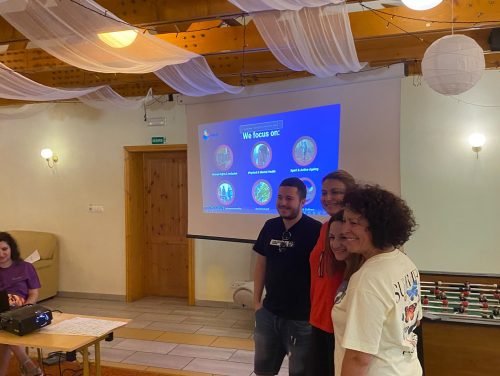
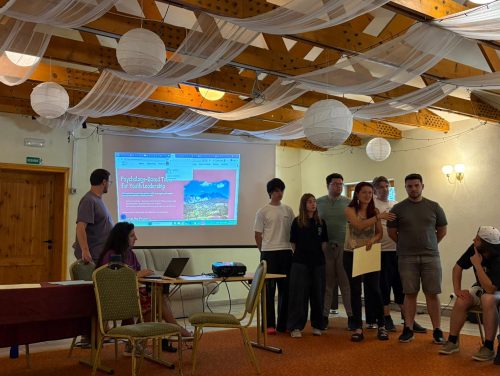
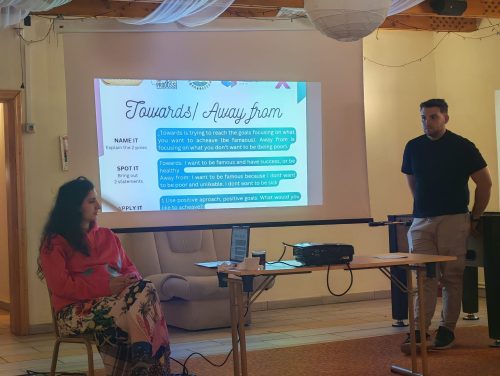
Is AI a danger or an opportunity? The answer depends on how we use it. We want to bring this topic closer to people in the community, giving them critical-thinking tools to filter the information they receive and to stop accepting everything at face value. We want to prepare them to use artificial intelligence as a support for thinking — not as a replacement for their own memory or judgment — so that technology remains a tool under our control, not a dependency that diminishes our ability to think for ourselves.
[Data source: European Commission report on the situation of young people in the EU (2025), cited by edupedu.ro and pressalert.ro]